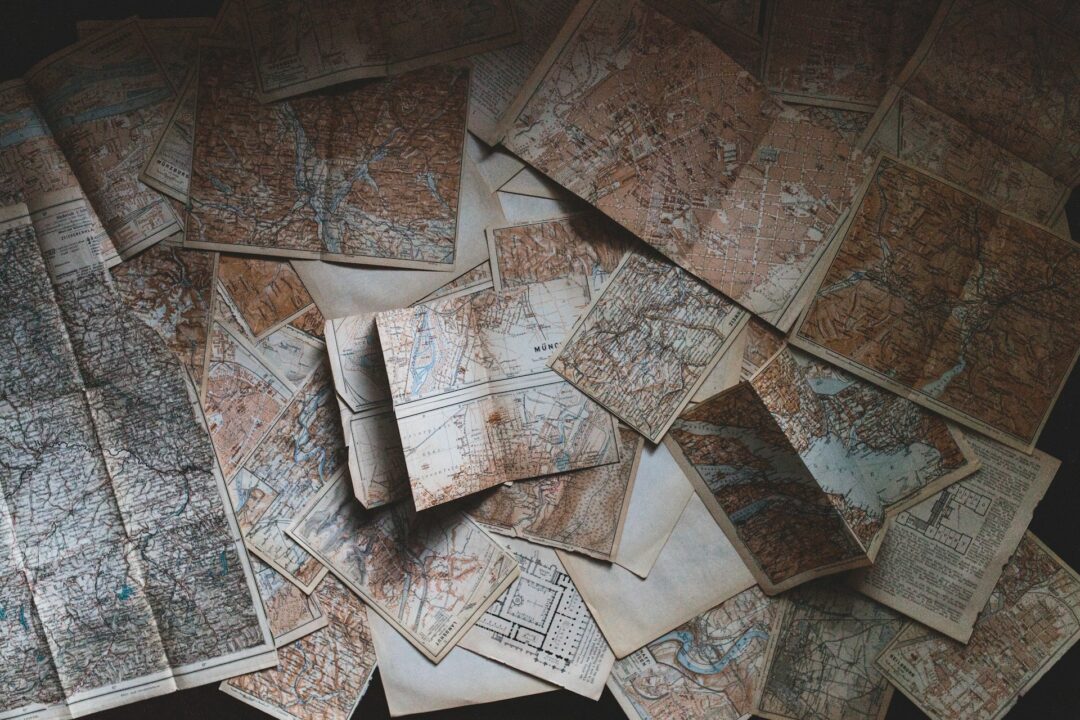
Scavenger hunts are a lot of fun to take part in, but they are super fun to make too! Especially when you get to play spectator and watch the participants as they become increasingly puzzled over your cryptic clues. Our favorite part? Seeing in real time the players getting that a ha! moment, and celebrating their success with them! Read on and you’ll uncover our step-by-step guide to creating a satisfying scavenger hunt, inspired by escape rooms and packed full of perplexing puzzles!
Step 1:
Decide The End Goal
It might sound strange at first, but you’ll need to think of the very last thing…first! Figure out exactly what it is that the intrepid explorers will be seeking out on their quest. Will they simply be searching for one final item, such as an impressive bounty of treasure? Or will they be part of a more elaborate story-based adventure? The only limit is your imagination!
A Few Ideas To Get You Started:
- Create several pieces of evidence such as fake letters, documents, photographs, and newspaper cuttings. Once the players have found them all, they’ll be able to figure out an overarching mystery leading to the final puzzle or treasure.
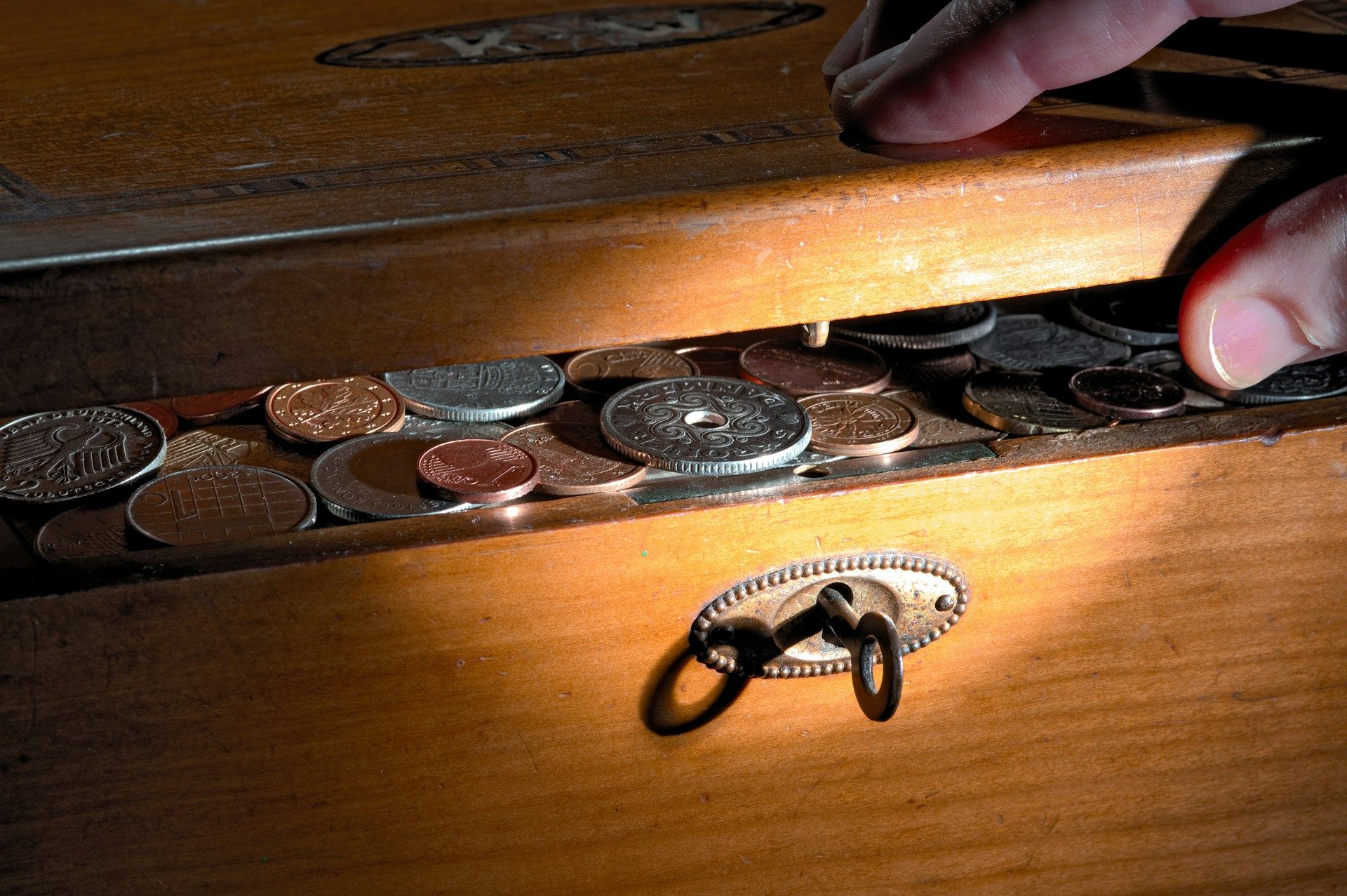
- Have a series of padlocked chests, creating a chain of clues. To progress through the hunt they’ll have to figure out the code to each box or find the key that opens it. Each chest could contain a photograph or item which will aid in their quest.
- Make the clues progressively more difficult, or use each one as an opportunity to teach your players how to solve your cipher, upping the ante as they get further through.
Step 2:
Map Out The Path
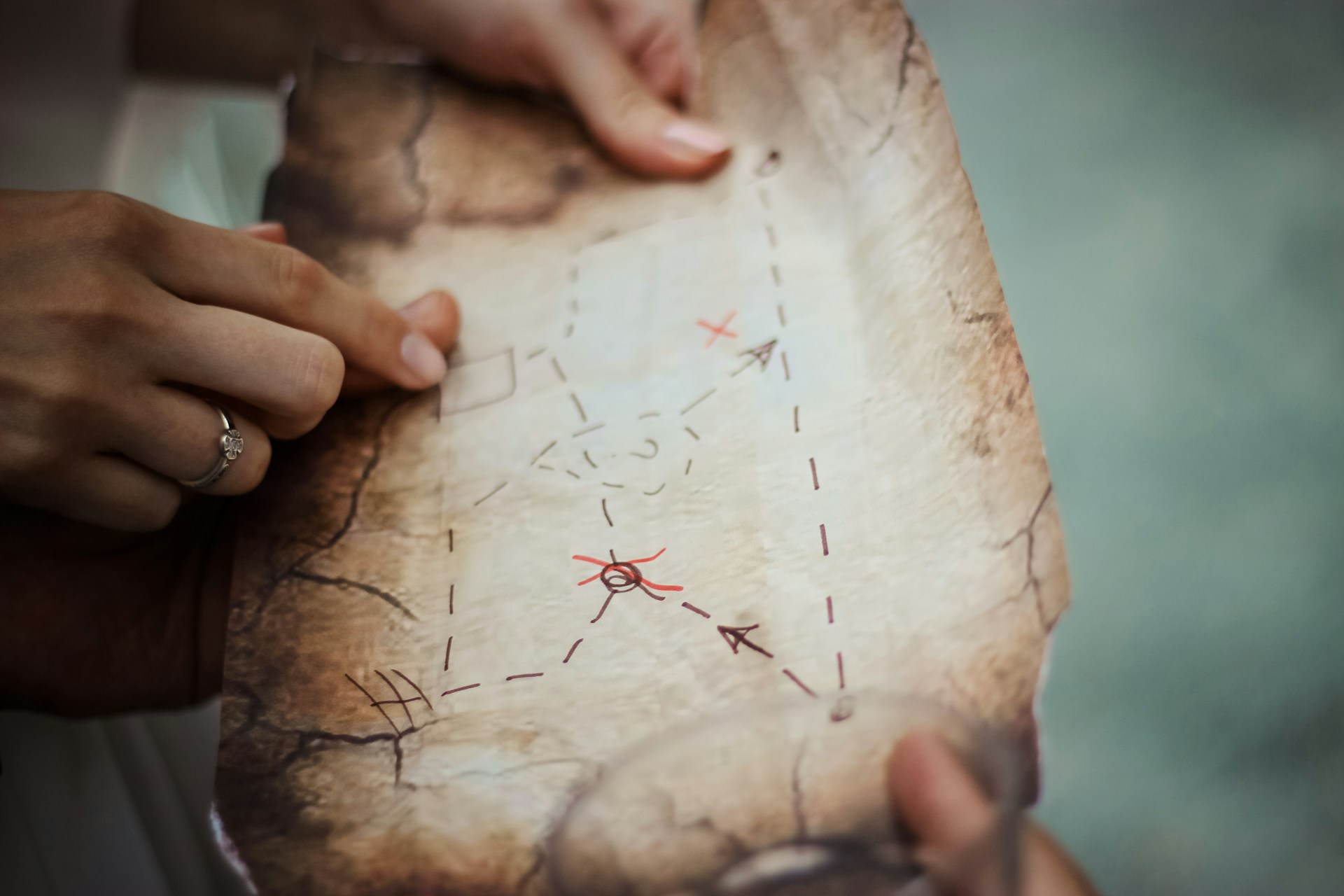
Scavenger hunts need to be reverse engineered, so start at your end goal, and then work your way back. Figure out exactly where each clue or item will be placed. You might want to sketch out a map to reference and walk the path several times, to ensure it’s logical and has good pacing. It’s no fun if the order doesn’t make sense or if a clue could be misconstrued, and it may bring the hunters out of the immersion you’ve created.
A Few Ideas To Get You Started:
- Make sure the path snakes its way through the location in a way in which they will not encounter later-on clues accidentally, which could lead to confusion.
- A few red herrings can be fun, but too many of them can leave your players frustrated, so make sure you don’t go overboard with the misdirection.
- Want to create a larger-scale hunt? You won’t be able to hide items and clues in the same way, but you could use observation as a way to the provide answers. For instance, ask players to find a certain object or word within a location, and allow them to glean the information they need from that.

Step 3:
Create Puzzle-Packed Clues
You can go as simple or as complicated as you like with the clues. Riddles are a firm favorite when it comes to scavenger hunts, but there are so many puzzle elements you can bring in to up your game! Why not use a combination of codes, word searches, word ladders, or dingbats, all of which will lengthen the time the player will need to spend looking at and deciphering the clue! You could even create a cipher wheel, or include a cryptex.
A Few Ideas To Get You Started:
- Use a substitution cipher. You can either keep it simple by replacing the letter A with the letter Z and so on, or a caesar cipher which shifts by one letter. For a trickier challenge, designate random letters or numbers to replace each.
- Draw symbols or shapes instead that represent each letter of the alphabet. Think runes, dancing men, hieroglyphics, or invent your own!
- Create clues in the form of a rebus, by using images that represent each word or syllable sound.
- Use recognisable ciphers often seen in escape rooms, like morse code or pigpen.
- Instead of using written clues, take obscure or up-close photographs of the area or item they need to find. Let them figure out where it was taken to determine the next location!
Step 4:
The Devil Is In The Details
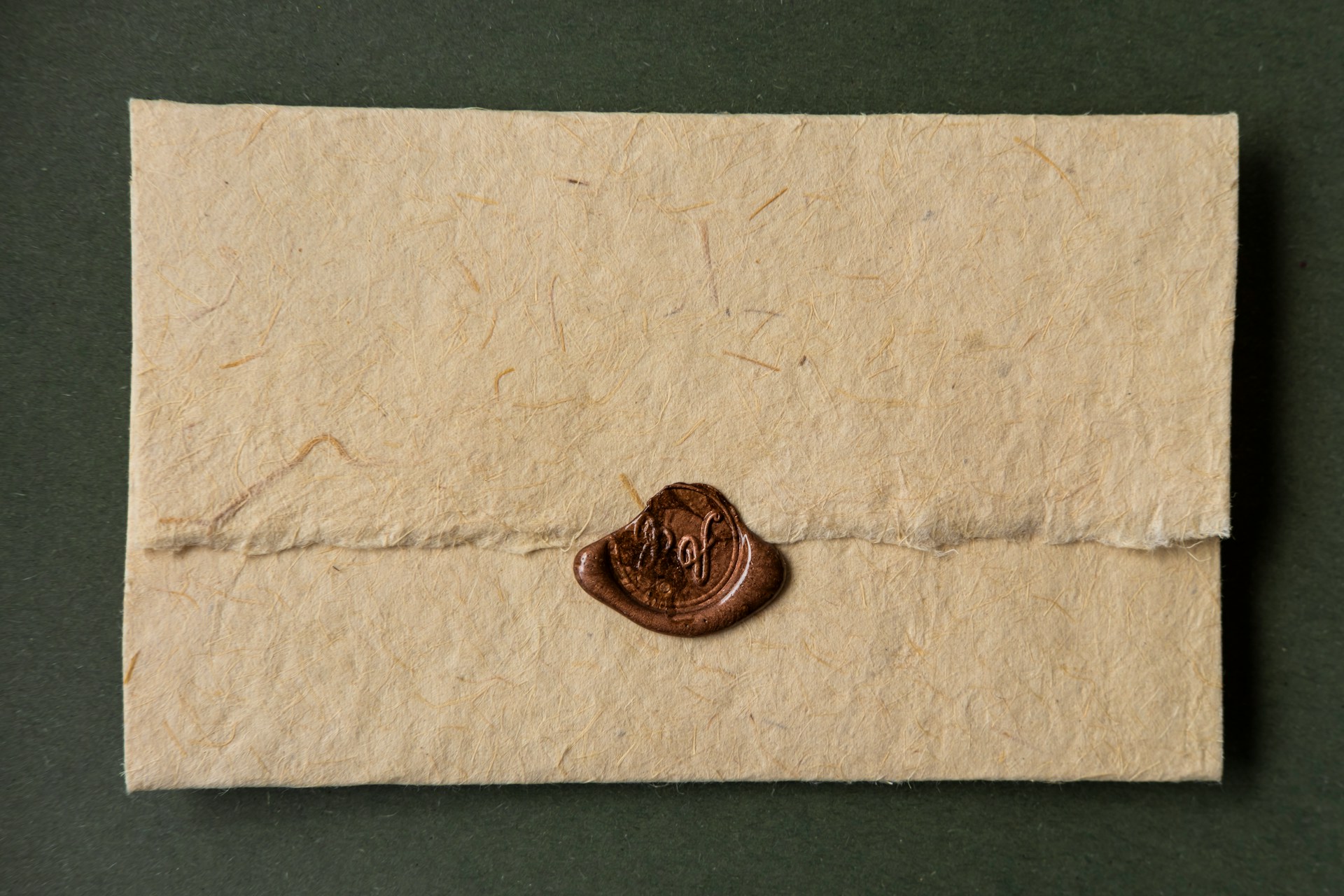
Sure, you could use any old scraps of paper to scribble down clues, but there is something special about going the extra mile to provide an immersive experience for your players. Think calligraphy, parchment paper, wax seals…even the words you use within the clues have the power to add extra mystery! It’ll take a little more time to gather your materials and prepare each element, but we guarantee it will be worth it, and result in a treasure hunt worthy of Benjamin Gates himself.
A Few Ideas To Get You Started:
- Use UV ink pens to write your message and then hide a blacklight flashlight as part of the hunt. This reveal will add an extra level of enigma-filled excitement! Just imagine how puzzled they will be the first time they open a clue to be met with only a blank piece of paper, before figuring out the way to solve it!
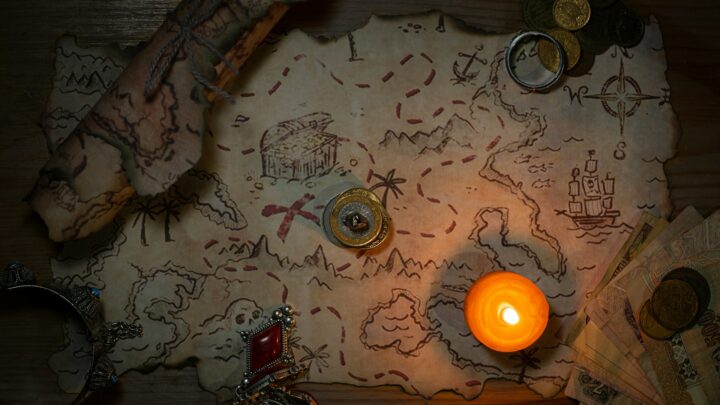
- Make your own antique looking paper by tea staining high quality cardstock, crumpling and ripping the corners a little, or even carefully burning the edges. Splatter some ink, or use a mug to create coffee stains on each page to add to the well-worn appearance.
- Use an online translator to create Shakespearean sounding clues, it’ll really add to the experience if you’re creating pieces with an aged appearance.

Step 5:
Prepare To Place Your Items
So you’ve got all your clues and items lined up ready, and you feel confident with your setup. It’s almost time to watch the players embark on their exciting adventure! But wait…it’s time to stop and think about what else might enhance the player experience.
A Few Ideas To Get You Started:
- Provide a notebook so that they have room to work out ciphers and riddles, or go one step further and create a worksheet with designated spaces to fill in each answer.
- Make a map of the area, as vague or as detailed as you like. Maybe it’s an incomplete map, where you’ve omitted vital details that the players need to figure out for themselves.
- Create a cheat sheet of codes if you used morse code, pigpen cipher, or something similar. That way, they’ll have all the tools they need, without having to spoil the immersion by looking something up on the internet. After all, scavenger hunts are a great analog activity, and a fantastic way to spend time without looking at a screen!